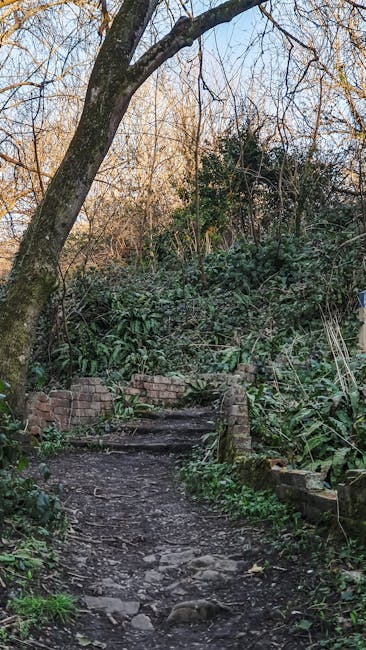
Lesnes Abbey Woods Moves: Protect Paths & Local Access
Posted on 07/05/2026
Lesnes Abbey Woods Moves: Protect Paths & Local Access
Moving near a woodland edge is never just about boxes, tape, and a van. Around Lesnes Abbey Woods, the real challenge is often the bit people forget: keeping paths clear, protecting shared access, and getting everything out without turning a narrow route into a temporary obstacle course. That matters for residents, visitors, and anyone who needs to use the paths for daily life, leisure, school runs, dog walks, or service access. It also matters if you are planning a move and want to do it properly, with less stress and fewer awkward moments with neighbours.
This guide to Lesnes Abbey Woods moves: protect paths & local access brings together practical moving advice, access-friendly planning, and a few real-world considerations that make all the difference. If you are relocating nearby, managing furniture on tight access routes, or helping coordinate a move in a busy local setting, the aim here is simple: keep people moving safely and keep the woodland routes usable.
For readers who like to understand the wider local context, you may also find it useful to browse a few related local reads such as this piece on calm residential living and these resident perspectives. Different area, same principle: good living spaces depend on good access.

Why Lesnes Abbey Woods Moves: Protect Paths & Local Access Matters
A move can create more disruption than people expect, especially when access routes are shared. Around a place like Lesnes Abbey Woods, paths are not just decorative. They are part of the everyday network people rely on. Walkers use them. Families use them. Delivery drivers use them. Maintenance crews use them. And if a move blocks that flow, even for an hour or two, the inconvenience spreads quickly.
Why does that matter so much? Because a path that becomes cluttered with packing materials, parked vans, or awkwardly placed furniture stops being a neutral space. It starts affecting everyone else's journey. In a woodland environment, that can also increase the chance of soil damage, edge erosion, damaged fencing, dropped litter, and people stepping into muddy or unsafe areas to get around an obstruction. Not ideal, to be fair.
This is also about courtesy. If you are moving house or helping someone move, you are temporarily borrowing the space around the home. That space includes pavement edges, loading points, shared entrances, and the route to and from the property. Keeping those areas tidy and passable is a sign of respect. It is also just good logistics. A calm move is usually a smarter move.
If you want a wider look at moving-related planning and service standards, the article on stress-free house moving offers a useful companion read. For service expectations and business transparency, the page on a tradition of excellence is also relevant as a trust signal.
How Lesnes Abbey Woods Moves: Protect Paths & Local Access Works
The idea is straightforward: plan the move so that the route in and out of the property stays open, predictable, and safe. In practice, that means thinking beyond the front door. You look at the whole chain of movement: parking, carrying distance, doorway width, turning space, weather, and where items are set down while being loaded.
For homes near a wooded or park-adjacent area, the working method usually includes five parts:
- Access review - check the path from vehicle to property, including any slopes, steps, gates, narrow bends, or muddy sections.
- Load planning - decide which items come out first, which need lifting help, and what should be wrapped in advance.
- Path protection - use floor runners, cardboard, clean coverings, or temporary protection where appropriate to reduce scuffing and dragging.
- Timed movement - keep the move within a realistic window so the path is not blocked longer than necessary.
- Clear handback - remove packaging, sweep up, and make sure the route is usable again before you leave.
That final part gets overlooked more often than you'd think. A move should end with a clear path, not a trail of tape, broken boxes, and one mystery screw on the ground. Strange how that happens every time.
Good movers, whether independent teams or a larger company, will usually try to work with the local environment rather than against it. If you are comparing service options, the services overview is a useful starting point, and the removals services overview gives a helpful sense of how moving support can be structured in practice.
Key Benefits and Practical Advantages
Protecting paths and local access during a move is not only about avoiding trouble. There are genuine practical benefits, and they show up fast.
- Less risk of damage to paving, paving joints, grass edges, handrails, and entry points.
- Safer movement for people carrying heavy items, particularly in wet or uneven conditions.
- Better neighbour relations because nobody enjoys having a pathway blocked at school-run time.
- Faster loading and unloading since the route stays organised and items move in a cleaner sequence.
- Lower chance of complaints from residents, local users, or building managers.
- Cleaner finish at the end of the move, which helps if you are handing back a property or preparing it for sale.
There is also a quieter benefit: less mental friction. When the access plan is sensible, the whole day feels easier. You do not spend the afternoon apologising, moving items twice, or wondering where to put a sofa for ten minutes while the route clears. That kind of low-grade stress adds up.
If your move is tied to a property handover or end-of-tenancy timeline, a related guide such as end-of-tenancy cleaning in Marylebone can help you think through the final stages of leaving a place clean and presentable. For a broader cleaning option after the dust settles, see domestic cleaning or house cleaning support.
Who This Is For and When It Makes Sense
This approach is useful for more people than you might expect. It is not only for large removals or high-value items. In fact, the smaller the property access, the more useful careful planning becomes.
It makes sense if you are:
- moving in or out of a home close to woodland paths, shared walkways, or public access routes
- handling a family move where children, pets, and neighbours are part of the picture
- relocating bulky furniture through narrow entrances or tight garden gates
- supporting a landlord or tenant turnover where the route needs to stay usable
- coordinating a move on behalf of a relative and want to avoid unnecessary disruption
- working with contractors, delivery teams, or removals staff who need a clear access plan
It also makes sense when the weather is against you. A dry August morning and a wet November afternoon are not the same job. Mud changes everything. So does poor light. So does a pile of packaging sitting where it shouldn't. One small snag becomes three, then five. You know the feeling.
For readers in adjacent London neighbourhoods, the article local perspectives on living in Marylebone offers a useful reminder that local convenience and liveability often depend on small planning decisions. If you're still at the research stage, this real estate guide and these buying tips are good companion reads.
Step-by-Step Guidance
Here is a practical way to organise the move so paths stay protected and access stays open.
1. Walk the route before moving day
Do a slow walk from the van location to the doorway. Look for bottlenecks, uneven surfaces, low branches, loose gravel, wet patches, and anywhere two people cannot pass comfortably. If you are using a storage unit, garden gate, side passage, or communal entrance, check all of it.
2. Decide where the vehicle will stop
Parking too far away wastes energy. Parking too close can block access or create tension. The goal is the shortest practical carry without closing off the route for others. This part often needs a bit of compromise, especially on busier streets.
3. Protect the surface
Where appropriate, use protective coverings on high-traffic points. That might mean runners indoors, cardboard on temporary set-down zones, or simple barriers to stop boxes scraping against walls. In a wooded area, the main aim is to avoid turning a path edge into a muddy shortcut.
4. Move in a sensible order
Start with items that are awkward or bulky and least likely to be needed until the end. That keeps the route open. Build the load logically: large furniture, then medium boxes, then last-minute personal bags. It is tempting to rush straight to the van with whatever's nearest. Usually a bad plan.
5. Keep packing waste under control
Break down boxes as you go. Gather tape, wrap, and filler in one container. If you are working with a team, assign one person to clearing waste while another manages loading. That simple division keeps the path from becoming a mess.
6. Do a final clearance check
Before you leave, look back at the route. Is anything blocking the way? Is there loose packaging, a dropped bracket, a wet patch, or a box left where someone could trip? This last sweep is worth the extra two minutes. Honestly, it saves embarrassment later.
If you need general moving guidance, the practical advice in efficient packing techniques and pre-move decluttering strategies can help reduce the volume you need to carry through shared spaces.
Expert Tips for Better Results
These are the small things that experienced movers tend to notice early.
- Use smaller loads on awkward routes. A half-full box carried safely is better than a large box that catches on a gatepost.
- Plan for the return trip. The walk back matters too, especially if the route is narrow or uneven.
- Keep one clear staging point. Do not scatter items in three places. One tidy holding area is enough.
- Protect corners and thresholds. These are the places that show wear fastest and often cost the most fuss later.
- Take weather seriously. Wet leaves, damp steps, and soft ground can make a simple move feel much harder.
- Speak to neighbours early if access is tight. A short heads-up can prevent a lot of tension. It sounds old-fashioned, but it works.
One more thing: keep drinks, gloves, and a basic first-aid kit nearby. Not dramatic, just sensible. A small cut from packing tape or a strained finger can slow the whole day down. Nobody wants that.
If you are the kind of reader who likes to line up safety and service standards before booking, the pages on insurance and safety and health and safety policy are worthwhile because they show the kind of operational care you should expect. For a broader trust view, about us helps frame the service approach.
Common Mistakes to Avoid
Most access issues during a move come from a few predictable mistakes. The good news is that they are easy to avoid if you spot them early.
- Blocking the only route out. It sounds obvious, but it happens more than you'd think.
- Assuming the van can park anywhere. Local restrictions, loading rules, and common sense all matter.
- Using oversized boxes for heavy items. Those are the ones that tip, split, or get abandoned halfway along the path.
- Leaving packaging behind. A clean route is part of a respectful move.
- Ignoring soft ground. Wet grass or muddy edges can become damaged very quickly.
- Failing to brief helpers. If everyone is carrying in a different direction, the path fills up fast.
The most avoidable mistake of all? Trying to wing it. That approach looks flexible right up until the first awkward sofa turn. Then it is just chaos with good intentions.
Tools, Resources and Recommendations
You do not need specialist gear for every move, but the right basics make a noticeable difference.
| Tool or Resource | Why It Helps | Best Use |
|---|---|---|
| Furniture blankets | Protects items and prevents scraping | Sofas, wardrobes, bedside units |
| Floor runners or cardboard sheets | Reduces wear on key access points | Hallways, thresholds, entry points |
| Labels and marker pens | Makes loading faster and less confusing | Box sorting and room placement |
| Gloves with grip | Improves control when carrying | Wet weather or heavier items |
| Trolley or sack barrow | Reduces carrying strain | Boxes, small appliances, stacked items |
| Waste sacks | Keeps packaging under control | Tape, wrap, paper, loose materials |
As a general recommendation, keep your supplies simple and reliable. You do not need a trolley for every item, and you do not need fancy packaging for a one-room move. The best tools are the ones you can actually use without stopping to fiddle with them. A bit of practicality goes a long way.
For readers planning a wider move and needing additional help, the resource on furniture removals can be useful for understanding service scope, while packing and boxes is a good next stop if you want to reduce chaos before moving day.
Law, Compliance, Standards, or Best Practice
Moves around shared paths and public-facing access routes should always respect local rules, property agreements, and ordinary safety expectations. Without making legal claims that depend on your exact street or property type, the safest approach is to assume that public or shared access must remain passable unless you have explicit permission to close or restrict it.
In practice, that means checking whether your move affects:
- public pavements or rights of way
- communal entrances or estate paths
- loading restrictions or parking conditions
- building management requirements
- neighbour access, including emergency access
Best practice is also about duty of care. If your move creates a slip risk, a trip hazard, or a temporary obstruction, you should reduce that risk as much as reasonably possible. That may include using clear warning communication, keeping the route tidy, and avoiding unnecessary set-down points.
For service providers, trust also depends on the basics: transparent terms, fair complaints handling, and clear handling of customer data. The pages on terms and conditions, complaints procedure, and privacy policy show the sort of customer-facing clarity people usually expect before booking any home service.
Options, Methods, or Comparison Table
Different moves need different levels of protection and planning. Here is a simple comparison to help you decide what is proportionate.
| Method | Best For | Pros | Limitations |
|---|---|---|---|
| Light-touch self-managed move | Small flats, minimal furniture | Flexible, lower cost, quick to arrange | Easy to underestimate access issues |
| Planned DIY move with helpers | Medium moves, short carry distances | Good control over timing and route protection | Needs coordination and physical effort |
| Professional removals support | Bulky items, tight access, higher risk routes | Better handling, more efficiency, less strain | Usually costs more than DIY |
| Hybrid approach | Mixed-size homes, awkward access, deadline pressure | Flexible and often practical | Requires clear communication |
There is no single right answer here. The best choice depends on your route, your furniture, your timeframe, and how much heavy lifting you want to do. If in doubt, people often choose the option that keeps the access route calm rather than the one that looks cheapest on paper. That is usually sensible.
Case Study or Real-World Example
Picture a household moving from a property near a wooded path route on a damp autumn morning. The van cannot sit directly outside the entrance, so the carry is longer than expected. The first instinct is to start moving boxes immediately, but the team pauses and checks the route instead.
They notice three things: a muddy edge where people have been cutting around a puddle, a narrow turning point by the gate, and a set of packing boxes that would have blocked the return path. So they adjust. They place a temporary covering at the most worn section, move the van to a safer loading position, and keep one person clearing packaging as they go. The sofa comes out without drama, the path stays passable, and the final sweep leaves the route cleaner than it was at the start.
Nothing dramatic happened. Which is exactly the point. A good access plan rarely looks exciting. It just quietly prevents the day from going sideways.
That same mindset shows up in service-led local content too. If you are interested in how local businesses build trust through consistency, this Marylebone overview and resident advice piece are both useful reading.
Practical Checklist
Use this checklist before moving day. Print it, save it, scribble on it. Whatever works.
- Walk the full route from property to vehicle
- Check for narrow points, slopes, wet ground, and trip hazards
- Confirm parking and loading arrangements
- Decide which items need protection or dismantling first
- Prepare floor runners, blankets, boxes, tape, and labels
- Brief everyone involved on the moving sequence
- Keep one clear staging area for packed items
- Break down waste as you go
- Watch for weather changes and surface conditions
- Do a final sweep to leave the path clear
Quick expert summary: if you protect the access route, the rest of the move becomes easier. If you ignore the route, everything else gets harder. Simple as that, really.
Conclusion
Moving around Lesnes Abbey Woods is not just a matter of getting furniture from A to B. It is about doing it in a way that keeps paths open, respects local access, and reduces disruption for everyone else using the area. That means thinking ahead, protecting surfaces, keeping packaging under control, and treating shared routes with the same care you would want for your own doorstep.
Most moves do not fail because of huge problems. They go wrong because of little things left unplanned: a blocked gate, a muddy shortcut, a box that should have been labelled, a van parked too far from the entrance. The good news is that these things are fixable with a bit of attention and the right mindset.
If you are preparing for a move, stay practical, stay calm, and keep the route clear. That one habit can change the whole experience.
Get a free quote today and see how much you can save.