Greenwich Council Permits for Removals in Abbey Wood Explained
Posted on 26/06/2026
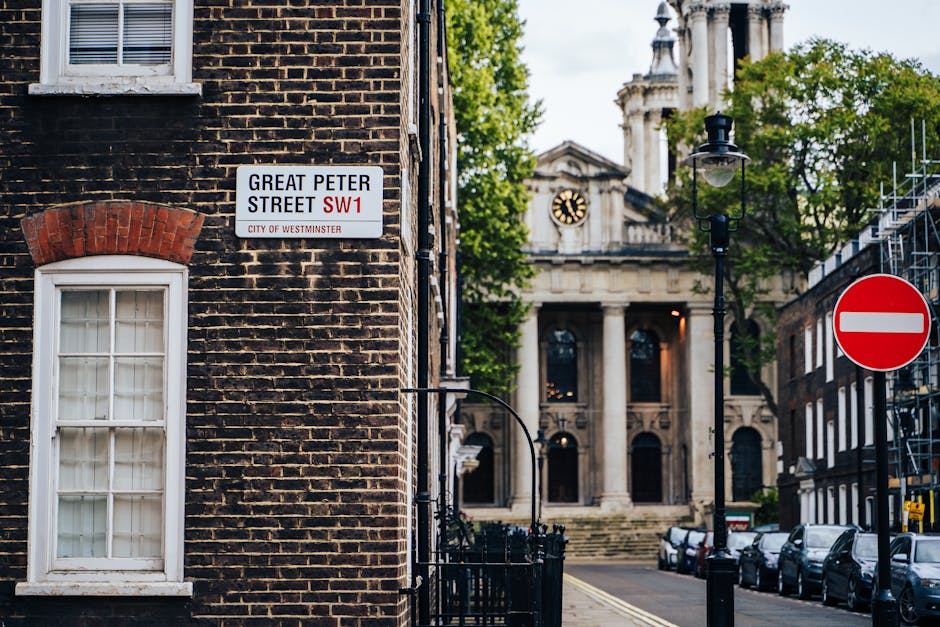
If you are planning a move in Abbey Wood, parking and access can make the day feel smooth or surprisingly stressful. That is where Greenwich Council permits for removals in Abbey Wood come into the picture. In plain English, they help you use the road space you need for a removal van, avoid last-minute penalties, and keep your move running to time. Whether you are shifting out of a flat, handling a full house move, or just trying to load a few awkward items without blocking the street, knowing how permit rules work is worth its weight in gold.
This guide breaks down what the permit process usually means, why it matters locally, and how to plan a move without the usual faff. You will also find practical checklists, common mistakes, and a comparison of options so you can make a sensible decision before moving day arrives.
Why Greenwich Council Permits for Removals in Abbey Wood Explained Matters
Moving day is rarely just about boxes. It is about where the van can stop, how long it can stay there, whether the road is narrow, and whether neighbours still have room to pass. In Abbey Wood, those details matter even more if you are moving from a terrace road, a busy estate, or a property near a station route where parking can be tight. A permit can be the difference between a calm morning and a van circling for twenty minutes while everyone gets grumpy.
The most obvious reason permits matter is access. A removal vehicle needs space to load safely, sometimes with trolleys, blankets, and people carrying furniture in and out. If the road is restricted, double parked, or busy with commuter traffic, you can end up slowing the whole process. That is not just inconvenient; it can also make fragile items more vulnerable and increase the chance of something getting damaged. If you have ever heard a wardrobe scrape awkwardly on a stair landing, you will know what I mean.
There is also the issue of local enforcement. Councils tend to treat obstruction, unlawful parking, and dropped kerb blocking seriously. Nobody wants a fine on top of moving costs. In practice, a permit helps show that your move has been planned with the street layout in mind. It is a small administrative step, but it often saves a larger headache later.
Key takeaway: If access is tight, a permit is not just paperwork. It is part of the move itself.
How Greenwich Council Permits for Removals in Abbey Wood Explained Works
Permit arrangements for removals are usually about temporary parking or suspension of certain restrictions so a removal van can load or unload legally. The exact process depends on the street, the time of day, and what restrictions already exist. Some roads may already have limited waiting rules, while others might require a specific request if you need more than a brief stop. Let's face it, London streets are rarely designed with a sofa in mind.
Typically, you should think in terms of three moving parts: the vehicle, the location, and the duration. The vehicle needs to fit the space available. The location may be within a controlled or permit-sensitive street. And the duration matters because a quick drop-off is very different from a full-day house removal. If a loading bay, waiting restriction, or marked parking space is involved, it is worth checking well before the move rather than assuming it will be fine on the day.
In Abbey Wood, there is also a practical geography to consider. Routes around station areas, busier residential roads, and estate access lanes can all create bottlenecks. A permit does not magically solve poor planning, but it gives you a more secure base to work from. That matters especially if you are using a larger van or if the move involves bulky furniture and multiple trips. For broader preparation, our guide on routes and parking near Abbey Wood station is a helpful companion read.
Usually, the safest approach is to treat the permit as one part of a wider access plan. You will want to think about:
- where the van will park
- how close it can get to the front door
- whether the road narrows at peak times
- if neighbours, deliveries, or refuse collections may clash with your slot
- whether there is enough space for trolleys, ramps, and door swings
Key Benefits and Practical Advantages
People often see permits as a nuisance, but in real terms they are more of a risk-reduction tool. The benefit is not just avoiding a ticket. It is everything that flows from having a cleaner, better-managed loading plan.
First, you reduce delay. A van that can park closer to the property means fewer trips, less heavy lifting, and a more predictable schedule. If you are moving from a flat with stairs, that extra few metres can feel like forever by the third trip.
Second, you protect your belongings. Shorter carry distances usually mean fewer chances to bump a doorway, scrape a cabinet, or strain a mattress through a tight gap. That is why good packing and load planning matter too, especially if you are moving boxed items yourself. Our article on efficient packing techniques for relocating pairs nicely with this topic.
Third, you keep the move less stressful. When parking is sorted, the day feels more manageable. You can focus on the move, not on an awkward debate with another driver because someone is half on the kerb and half in the road. Not glamorous, but very real.
Fourth, it can support safety. A clear loading area makes it easier to use trolleys, keep walkways open, and move items with better control. That matters for everyone involved, especially where staircases are steep or turns are awkward. For more on handling physical strain safely, see our piece on kinetic lifting basics.
Who This Is For and When It Makes Sense
Not every Abbey Wood move needs a permit conversation, but many do. The situations below are the ones where it usually makes sense to check early rather than leave it until the last minute.
- Flat moves with limited roadside space. If you are on a road where parking is already tight, a permit can save a great deal of friction.
- House removals on busier residential streets. Even if you have a driveway at one end, the loading point at the other property may be the tricky part.
- Office or business moves. Commercial moves often need stricter timing because deliveries, staff traffic, and nearby parking bays all come into play.
- Student or smaller moves. A small move can still involve awkward access. A single van stop in the right place can make a surprisingly big difference. If that sounds familiar, our student removals support in Abbey Wood may also be useful in planning.
- Same-day or urgent removals. When time is tight, poor parking can turn a quick job into a long one. For those scenarios, our same-day removals information is worth a look.
It also makes sense if you are moving any item that needs extra handling. Think piano, tall wardrobes, freezers, sofas, or beds. The more awkward the load, the more important it is to get the van as close as possible. For example, if you are dealing with a heavy or delicate instrument, our guide to moving a piano safely explains why access planning matters so much.
Step-by-Step Guidance
If you want to keep things simple, use this practical sequence. It is not fancy, but it works.
- Check the address and street layout. Look at the property, the road width, and any obvious parking controls. Note whether the van can stop near the front door or if there is a long carry.
- Identify what type of access issue you actually have. Is it a waiting restriction, a narrow road, a yellow line, limited time parking, or space for only one vehicle at a time? That distinction matters.
- Work out the vehicle size. A larger removal van may need more room than a small man and van setup. If you are unsure, compare the load to the access route before you book. For many local moves, man and van services in Abbey Wood can be a sensible option, while bigger house moves may suit a dedicated house removals service.
- Ask whether a permit or parking arrangement is needed. This is the point where people often guess. Better not. A quick check upfront is cleaner than a panicked call on moving morning.
- Build the permit timing into your move plan. If the loading window is two hours, do not schedule a huge dismantling job at the same time. You will just squeeze the day and make everyone edgy.
- Prepare the property for faster loading. Clear hallways, label boxes, and remove anything that could block access. If you need more help with pre-move prep, our article on pre-move decluttering is a good place to start.
- Protect the items that matter most. Wrap corners, secure doors, and use proper blankets or covers. For furniture storage and handling ideas, our guide on keeping sofas in good condition may be useful too.
- Recheck the day before. Streets change. Temporary works, deliveries, or neighbour parking can alter the picture. A ten-minute review is boring, yes, but very effective.
Expert Tips for Better Results
After enough removals, you start to notice the same small habits that make life easier. Nothing dramatic. Just sensible little wins.
Book access thinking before packing thinking. That sounds backwards, but it is true. If the van cannot park close enough, all the neat boxes in the world will not save you from a slow move. Access first, packing second.
Use one person as the access lead. Someone should be in charge of parking guidance, door control, and keeping an eye on whether the stop remains usable. It avoids the usual half-dozen opinions shouted across a pavement. We have all seen that scene, and it is never elegant.
Keep the most awkward items close to the exit. Beds, sofas, and large appliances should not be hidden behind ten small boxes if you can avoid it. If the permit window is short, you want the heavy stuff out first. Our advice on moving beds and mattresses safely fits well here.
Plan for weather. Abbey Wood can be bright one minute and drizzly the next. Wet pavements slow the move and make cardboard weaker. A few extra covers, a dry path, and clear footwear choices matter more than people expect.
Use the right moving support. If your move involves large furniture or many items, it may be worth using a professional team rather than a DIY scramble. Our page on removal services in Abbey Wood outlines the broader options, while insurance and safety explains why protection matters when things get busy.
And one more thing: leave a little breathing room. Too many moves are ruined by trying to make the schedule perfect. It never is. Give yourself a buffer and, if possible, a kettle break. Sounds trivial, but a hot cup of tea at 11:15 can reset the whole day.

Common Mistakes to Avoid
The biggest mistakes are usually simple ones, which is annoying but true. Here are the ones that trip people up most often.
- Assuming the street will be fine without checking. "It should be okay" is not a parking strategy.
- Leaving permit decisions until moving day. By then, your choices are smaller and more expensive.
- Booking the wrong vehicle size. A van that is too large may be awkward to place; one that is too small may need extra trips. Either way, time disappears.
- Ignoring nearby restrictions. Yellow lines, school run timings, and estate access rules can all complicate loading.
- Forgetting about neighbours and shared access. A polite warning the day before can save a lot of awkwardness.
- Not planning around staircase moves. If your property is upstairs, the loading process takes longer. Our guide on staircase moves in Abbey Wood flats is worth reading if that sounds familiar.
- Overloading the schedule. A permit may give you access, but it does not create extra hours.
Truth be told, the most common issue is not the permit itself. It is the chain reaction that starts when access was never properly planned. One small delay becomes two, then everything starts to wobble. No need to let that happen if a little prep can prevent it.
Tools, Resources and Recommendations
You do not need a huge toolkit to manage removal access well, but a few practical items help enormously.
- Printed move plan: street name, arrival time, vehicle details, and any access notes.
- Phone battery backup: if the access lead goes missing at the critical moment, you will want a working phone.
- High-visibility waistcoat or bright clothing: useful when guiding a vehicle on a busy road.
- Protective blankets and covers: especially for sofas, tables, and wardrobes.
- Furniture sliders or a dolly: helpful for heavier loads where floors and thresholds need care.
- Box labels and colour coding: reduces unloading confusion and gets essentials into the right rooms faster.
For related planning, you may also find these helpful:
- packing and boxes support in Abbey Wood for materials and load organisation
- storage options in Abbey Wood if your move dates do not line up neatly
- recycling and sustainability if you are clearing items as part of the move
One practical recommendation: keep a simple written timeline. Nothing fancy, just a rough sequence like "van arrives, beds out first, boxes second, kitchen last." That tiny list can keep a move from drifting. I have seen it help more than people expect.
Law, Compliance, Standards, or Best Practice
When it comes to parking and removals, the safest approach is to follow local rules and treat temporary access as a compliance issue, not an afterthought. Councils may enforce restrictions differently depending on road type, time of day, and whether the vehicle is obstructing traffic, access, or pedestrian movement. Because of that, it is wise to assume that a removal van needs a proper parking plan unless you know the road well.
Best practice usually means:
- checking restriction signage carefully
- keeping the vehicle within any permitted loading period
- avoiding blockages to driveways, crossings, and emergency access
- ensuring the loading area is safe for people carrying items
- communicating clearly with the removal team and any neighbours affected
If you are hiring help, a responsible mover should also work in line with general safety and handling standards. That means sensible lifting, safe stacking, and using equipment where needed rather than trying to muscle everything through. Our health and safety approach gives a sense of the standards you should expect from a careful provider.
For larger or more complex jobs, best practice also means being transparent about access limitations. If a narrow road or controlled bay is likely to affect timing, say so early. That way, the move can be priced and scheduled realistically, rather than guessed at. A little honesty upfront saves plenty of stress later.
Options, Methods, or Comparison Table
There are usually a few ways to handle removal-day access. The best one depends on how tight the street is, how much you are moving, and how much time you have.
| Option | Best for | Pros | Trade-offs |
|---|---|---|---|
| Standard roadside loading | Quiet streets with enough space | Simple, quick, minimal admin | Can fail if parking is tighter than expected |
| Permit-backed loading plan | Controlled or busy roads | More reliable access, fewer parking worries | Needs checking and advance planning |
| Smaller vehicle approach | Narrow roads or light moves | Easier to position, less obstruction | May require more trips |
| Full professional removal setup | Large, fragile, or complex moves | Better equipment, more coordination, less strain | Usually the highest service level needed |
In practice, the right answer often sits between the second and fourth rows. If your access is difficult, a permit-backed plan combined with a professional team is usually the calmest option. If the move is light and the road is quiet, a simpler setup may be enough. There is no magic formula, just a sensible match between risk and effort.
Case Study or Real-World Example
Here is a realistic example based on a common Abbey Wood scenario. A family is moving from a first-floor flat on a road with limited daytime parking. They have two sofas, a mattress, a fridge-freezer, and several boxes of kitchenware. Nothing outrageous, but enough to make the day awkward if the van cannot park close by.
They start by checking access two weeks ahead. The street is narrow, and the nearest convenient stop is usually taken by commuters in the morning. Rather than gamble on space, they plan for a parking arrangement and build the loading sequence around it. The heaviest items are placed closest to the exit the night before, and the boxes are labelled by room so nothing gets lost in the shuffle.
On the day, the van arrives, parks cleanly, and the team gets straight into the move. Because the access plan was thought through properly, the furniture comes out faster and with fewer stops. There is still a bit of juggling, of course - there always is - but the move stays controlled. No extra circles around the block, no rushed carrying, no tense neighbour conversation about a blocked drive.
The lesson is simple: good access planning often saves more time than another hour of packing ever could.
Practical Checklist
Use this checklist before moving day. It is intentionally simple, because simple gets done.
- Confirm the exact moving address and entrance used for loading.
- Check whether the road has parking controls or loading restrictions.
- Decide what size vehicle is needed.
- Identify whether a permit or formal access arrangement is required.
- Tell the removal team about stairs, narrow hallways, or tight turns.
- Pack awkward items early and keep them accessible.
- Label boxes clearly by room.
- Keep essentials separate: documents, chargers, kettle, snacks, keys.
- Protect furniture with blankets, wrap, or covers.
- Warn neighbours if shared access may be affected.
- Leave a little buffer in the schedule.
- Review the street again the evening before the move.
If you are also decluttering before you go, our guide to pre-move decluttering strategies can help you avoid paying to move things you no longer want. That one saves money and time, which is a nice combination.
Conclusion
Greenwich Council permits for removals in Abbey Wood are best understood as part of the wider moving plan, not an administrative extra. They matter because access matters. When the van can park properly, the whole move becomes safer, quicker, and less stressful. That is true whether you are moving a flat, a family home, a student property, or a few bulky items that really do not want to go downstairs politely.
The key is to check early, think practically, and avoid guessing. Once you know the road conditions, van size, and loading time, everything else becomes far easier to manage. A little prep now can save a lot of hassle later, and honestly, that is usually what a good move comes down to.
If you are planning a move and want help making the process smoother from start to finish, speak to a trusted local removal team and compare your options carefully.
Get a free quote today and see how much you can save.