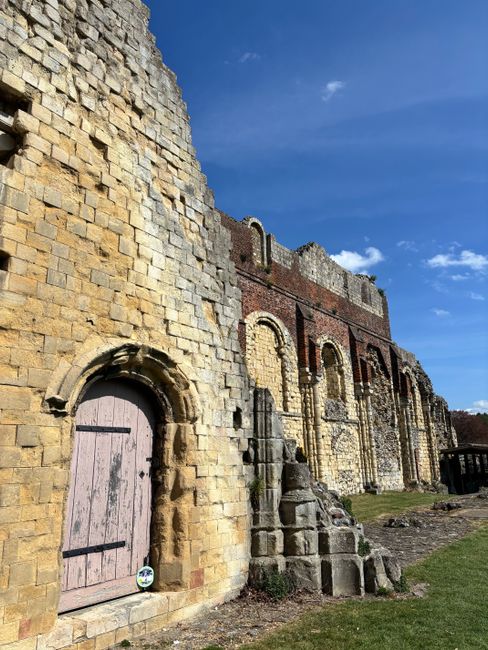
Lesnes Abbey Landmark Moves Specialist Removals Checklist
If you are planning a move near Lesnes Abbey, the details matter more than they do on a typical street-to-street job. Tight access, parked cars, uneven pavements, awkward stairwells, and the simple fact that a landmark area draws extra local traffic can all make a move feel more demanding than expected. That is exactly why a Lesnes Abbey landmark moves specialist removals checklist helps. It turns a stressful day into a sequence of manageable steps, and it gives you a clear way to judge whether your move needs extra care, extra planning, or a specialist removals team.
In practice, this kind of checklist is not just about boxes and tape. It is about route planning, building access, fragile items, timing, parking, communication, and choosing the right moving support for the job. Whether you are moving a family home, a flat with narrow access, or an office-style relocation with valuable equipment, this guide walks you through the process in a way that feels practical and grounded. Let's face it, moving day is busy enough without guessing what you forgot.
Below, you will find a clear breakdown of why the checklist matters, how it works, what to prepare, what to avoid, and how to decide between different removal options. If you want a more structured move, keep this open while you plan. It is the sort of checklist you can actually use, not just skim and forget.
Why Lesnes Abbey Landmark Moves Specialist Removals Checklist Matters
Moving near a local landmark is rarely complicated for one single reason. It is usually the combination of several small things. A bay that is hard to park in. A road that feels busier at school-run times. A property with shared access. A staircase that makes large furniture awkward to turn. None of those issues is dramatic on its own, but together they can slow everything down and increase the chance of damage.
A specialist removals checklist helps you spot those pinch points before the van arrives. That means fewer surprises, fewer broken routines, and a lot less last-minute improvising. You will notice that the best moves are not always the fastest; they are the ones where the route, packing, lifting, and unloading all fit together cleanly.
Expert summary: Around Lesnes Abbey, the biggest moving risks are usually access, timing, and handling. If you plan those three things properly, the rest of the move becomes much easier to manage.
It also matters because specialist removals are not just for "difficult" moves. They are for valuable moves. That could mean antique furniture, pianos, archived files, expensive IT equipment, or a home full of awkwardly shaped belongings that do not suit a generic van-and-go approach. A little structure goes a long way.
How Lesnes Abbey Landmark Moves Specialist Removals Checklist Works
The checklist works by breaking the move into clear stages. First, you assess the property and the surrounding access. Then you match the right removal method to the job. After that, you prepare items, labels, and timing so the crew can work efficiently without needless back-and-forth.
In a landmark-adjacent move, the preparation stage matters more than people expect. For example, if parking is tight, the vehicle type becomes important. If the property is on a busy road, loading windows may need to be shorter. If you are moving fragile or high-value items, you may want packing and unpacking support rather than doing every box yourself late the night before. There is no prize for making it harder than it needs to be.
The process usually looks like this:
- Survey the current and new property access.
- List bulky, fragile, and priority items.
- Choose the most suitable moving option.
- Book the right date and time window.
- Pack and label with unloading in mind.
- Protect floors, corners, and furniture surfaces.
- Confirm parking, lifting routes, and key handover details.
- Review insurance, safety, and terms before moving day.
That may sound simple, and in a good move it is. But the value is in the order. When the plan is organised before the van appears, the whole day feels calmer and more professional.
Key Benefits and Practical Advantages
The obvious benefit is fewer moving-day problems. The less obvious benefit is confidence. You know where things are going, who is doing what, and how long the difficult bits should take. That can be worth a lot when you are juggling keys, children, work, or a lease end time.
- Safer handling: Better packing and lifting reduce the risk of breakage.
- Cleaner access planning: You are less likely to get stuck with a van that cannot park where needed.
- More accurate quotes: A well-defined move is easier to price honestly.
- Lower stress: Fewer decisions on the day means less mental clutter.
- Faster unloading: Labels and room-by-room planning save time on arrival.
- Better protection for landmarks and local property: Careful moves reduce scuffs, knocks, and accidental damage to shared areas.
There is also a practical commercial advantage. If you are comparing removal services, a detailed checklist helps you compare like with like. One provider may include more hands-on support; another may simply provide transport. Without a proper checklist, those offers can look very similar on paper when they are not.
Who This Is For and When It Makes Sense
This checklist is useful for a broad range of movers, but it is especially relevant if your move has one or more of the following features:
- you are moving close to a known local landmark or busy route;
- the property has narrow access, stairs, or shared entrances;
- you own heavy, delicate, or awkward furniture;
- you need to move in a specific time window;
- you are relocating from a flat, maisonette, or converted building;
- you are moving a small business or home office;
- you want help with loading, unloading, or packing;
- you are comparing a full removal team with a man and van option.
Truth be told, even straightforward moves can benefit from a specialist checklist. If you are trying to complete everything in one day, or if you have very little tolerance for disruption, the extra planning pays for itself in peace of mind.
It also makes sense if you are moving during the darker, wetter months. A damp pavement at 7:30 in the morning is not the time to realise you forgot protective wrap. Been there, seen that, and it is never fun.
Step-by-Step Guidance
The following steps are the core of a reliable landmark-area removals plan. Use them in order. Skipping ahead usually creates more work later.
1. Start with access, not packing
Before you touch a box, check parking, doorway width, stairs, lift access, and the distance between the van and the front door. If there is a resident permit zone, a timed restriction, or shared access, note it early. This is where many people make their first mistake: they plan the room list before they plan the route.
2. Separate items by handling needs
Split your belongings into groups: fragile, bulky, valuable, dismantled, and everyday. This helps you decide what needs specialist handling and what can be loaded more simply. If you are moving a wardrobe, a glass table, and a pile of books, each one wants a different approach. Same van, different treatment.
3. Decide on the right moving format
Some moves are perfect for a compact vehicle and two people. Others need a bigger team and a larger load space. If you are moving a full family home, you may want to compare house removals with smaller moving options. The right choice depends on volume, access, and how much lifting you want to do yourself.
4. Label for unloading, not just packing
Write the destination room on every box. Be specific: "kitchen - pans," "bedroom 2 - bedding," "study - cables." A vague label like "misc" might feel harmless at 10pm. On arrival, it becomes annoying very quickly.
5. Protect the property
Use covers, blankets, and floor protection where needed. Shared hallways, bannisters, and door frames often take the accidental knocks, especially with large furniture. A careful removals team will know this instinctively, but it still helps when the customer has prepped the space too.
6. Plan the day itself
Set out keys, parking notes, contact numbers, and a final items list the day before. Keep one small bag with essentials: chargers, tea, kettle, toiletries, medication, and documents. That little bag can save your evening. More than once, it saves the mood too.
7. Check the handover at both ends
Walk through the old property before leaving and the new one before unloading is finished. Look for missed items, damage, and anything that needs to be adjusted while the team is still on site. A quick final check often prevents a second trip.
Expert Tips for Better Results
Small decisions make the biggest difference. That is the part people often miss. Here are a few tried-and-tested habits that help a move go smoother around busy local areas like Lesnes Abbey.
- Book earlier than you think: Good moving slots fill quickly, especially at month-end and on Fridays.
- Measure awkward furniture: Sofa arms and bed frames are the usual troublemakers.
- Photograph cable setups before disconnecting: Useful for desks, TVs, and routers.
- Keep a "first night" box: It should contain the items you will want immediately.
- Tell the crew about delicate items upfront: Do not leave the piano, artwork, or inherited cabinet as a surprise.
- Use packing materials properly: A towel stuffed in a box is not the same as real protection. Close, but no cigar.
If you are moving a business or a home workspace, look closely at the process before choosing a provider. A team that understands commercial moves will usually be better at handling deadlines, equipment, and orderly relocation than a general transport-only service.
One more thing: ask how the team handles loading order. A good mover thinks about which boxes should come off first. A great mover thinks about how to make your first night, or first working morning, easier. That difference is subtle. It matters.
Common Mistakes to Avoid
Some mistakes are obvious in hindsight. Others creep in quietly and cause the most frustration. The usual culprits are below.
- Underestimating access issues: A property can look simple until the van arrives.
- Poor labelling: It slows down everything, especially unloading.
- Leaving packing until the last minute: That is how breakages happen.
- Choosing the wrong vehicle size: Too small means multiple trips; too large may be awkward in tight streets.
- Ignoring insurance details: Always check what is covered and what is not.
- Forgetting to dismantle furniture early: Nobody wants to be doing that at loading time.
Another common issue is assuming every removals provider offers the same level of care. They do not. Some are suited to quick transport; others are better for complex, fragile, or time-sensitive work. If you are unsure, compare several removal companies and focus on what is included, not just the headline price.
And yes, one more tiny human mistake: people often forget to keep kettle milk separately. It is never the end of the world, but somehow it always feels like it.
Tools, Resources and Recommendations
You do not need a van full of specialist equipment to prepare well, but a few basic tools make the process much less painful.
- strong boxes in mixed sizes;
- packing tape and tape dispenser;
- marker pens and room labels;
- bubble wrap or paper for fragile items;
- furniture blankets and protective covers;
- gloves and a torch for awkward corners or darker hallways;
- basic tools for dismantling beds and shelving;
- a phone charger and battery pack;
- a printed move sheet with contact details and key timings.
For some customers, the most useful resource is professional support with loading and organisation. If you need help beyond transport, consider a team that offers man with van removal support or a more structured service. If you want help unpacking too, that can be a very sensible add-on.
If sustainability matters to you, ask how unwanted items will be dealt with. A careful move often leads to fewer wasted materials and better reuse of packaging. You can also review a provider's approach to recycling and sustainability if that is important in your decision-making.
Law, Compliance, Standards, or Best Practice
For a move in the UK, the main thing is to work with a provider that follows sensible safety, insurance, and operating practices. You do not need to overcomplicate this, but you should not ignore it either.
Best practice usually includes:
- clear communication about arrival times and access;
- safe lifting methods and appropriate team sizes;
- vehicle suitability for the items being moved;
- proper care around entrances, stairs, and communal spaces;
- transparent terms and conditions;
- insurance information that is easy to understand;
- reasonable handling of personal data and contact information.
If you are comparing providers, it is sensible to review their insurance and safety information, plus their health and safety policy. Those pages tell you a lot about how seriously a business treats the practical side of removals. Not flashy, but reassuring.
It is also wise to read the terms and conditions so you know how bookings, cancellations, responsibilities, and service limits are handled. For anything payment-related, a clear look at payment and security is worthwhile. Simple, but important.
Options, Methods, or Comparison Table
Different moves need different methods. A landmark-area job with tight access may not suit the same approach as a direct, easy-load house move. Here is a simple comparison to help you choose.
| Option | Best for | Strengths | Watch-outs |
|---|---|---|---|
| Man and van | Smaller flats, partial moves, quick transport | Flexible, efficient, often ideal for local trips | May be less suitable for larger loads or complex access |
| House removals | Full domestic moves with more furniture and boxes | More structured, better for larger inventories | Needs better planning and clearer access details |
| Commercial moves | Offices, studios, and business equipment | Useful when timing and order matter a lot | Often needs precise scheduling and coordination |
| Packing support | Fragile items, busy households, last-minute moves | Reduces damage risk and saves time | Costs more, but often pays back in convenience |
If you are close to deciding, ask yourself one question: do I need transport only, or do I need a managed move? That one answer usually points you in the right direction.
Case Study or Real-World Example
Here is a realistic example. A couple in a flat near Lesnes Abbey had a move that looked simple on paper: two bedrooms, a living room, and standard kitchen items. But the stairwell was narrow, parking was limited, and they had a large sofa bed, a heavy dining table, and several fragile lamps packed by hand. Nothing outrageous. Just enough to make the day awkward if nobody planned ahead.
They used a checklist to break the move into stages. They measured the sofa bed in advance, reserved a clear loading space, labeled every box by room, and separated fragile items into a last-on-first-off group. They also arranged help through house removalists rather than relying on friends with a borrowed van. That decision alone saved a good bit of stress.
On the day, the crew knew which items needed the most care, what should come off first, and where each box belonged. The result was not magical. Just organised. The move still took effort, because all moves do, but the stressful guesswork was cut right down. And that, to be fair, is what a good checklist is supposed to do.
Practical Checklist
Use this as your working list in the days before the move. Print it, copy it, tick it on your phone, whatever suits you.
- Confirm moving date, arrival time, and contact numbers.
- Check access at both properties, including stairs, lifts, and parking.
- Measure large furniture and any awkward doorways.
- Decide which items need extra wrapping or dismantling.
- Book any packing help you need in advance.
- Label boxes by room and priority.
- Prepare an essentials bag for the first night.
- Set aside documents, keys, chargers, and medications.
- Protect floors, corners, and banisters if needed.
- Check insurance, safety, and booking terms.
- Notify relevant people of the move if required.
- Keep refreshments available for yourself and the crew.
- Do a final walk-through of both properties.
- Make sure the old property is left clear of small overlooked items.
If you are still comparing providers, it helps to look for a clear, well-explained removal company rather than choosing on price alone. The cheapest quote is not always the cheapest move once delays, damage, or extra trips are factored in.
Get a free quote today and see how much you can save.
Conclusion
A move near Lesnes Abbey does not have to feel chaotic. With the right specialist removals checklist, you can plan access properly, pack with purpose, and choose a service that suits the real shape of your move rather than the one you hoped it would be. That is the real difference between an average moving day and a smooth one.
Keep the process simple: assess, plan, pack, label, protect, and confirm. If you do those things well, you will usually avoid the unpleasant surprises that make removals feel harder than they need to be. And if you need extra support, choose a team that makes the details feel under control, not rushed.
That is the goal, really. A calm start, a tidy finish, and one less thing hanging over you.
Frequently Asked Questions
What is a Lesnes Abbey landmark moves specialist removals checklist?
It is a planning guide for moves near Lesnes Abbey that helps you manage access, packing, timing, safety, and the type of removal support you need.
Why do landmark-area moves need extra planning?
Because local access, parking, foot traffic, and property layouts can make loading and unloading more complicated than a standard move.
Is a man and van service enough for this type of move?
Sometimes, yes. For smaller moves or easy access properties, a man with van option can work well. For larger or more delicate moves, you may need more support.
How far in advance should I book removals?
Earlier is better, especially if your move is time-sensitive or takes place at month-end, on a Friday, or during busy seasonal periods.
What should I pack myself before moving day?
Pack personal essentials, documents, chargers, medication, basic toiletries, and anything you need immediately on arrival. Keep one bag separate.
How do I know whether I need packing services?
If you are short on time, have fragile belongings, or simply do not want the late-night box frenzy, packing support can be very helpful.
Do removal companies usually help with furniture dismantling?
Some do, some do not, and some include it only for certain items. Always check what is included before booking.
What if parking near my property is tight?
Tell the removals provider as early as possible. Tight parking can change the vehicle choice, the loading plan, and the arrival time.
Should I check insurance before booking?
Yes. You should always review the provider's insurance and safety information so you understand what protection is in place and what your responsibilities are.
What is the biggest mistake people make with specialist removals?
Probably underestimating the access problem. It sounds small until a sofa gets stuck halfway through a stairwell. That sort of thing can throw the whole day off.
Can this checklist help with office or business moves too?
Definitely. The same logic applies to equipment, timing, labels, and access. For businesses, the extra planning is often even more important.
How do I compare quotes properly?
Compare what is included, how access is handled, whether packing help is offered, and what the terms say. Price matters, but so does clarity.
Where should I start if I want a smoother move?
Start with the property access and the biggest items. Once those are clear, everything else becomes easier to organise.
If you are ready to take the next step, start with the checklist above, compare your options carefully, and book the help that fits the move rather than forcing the move to fit the help. That is usually the winning approach, even if it is a bit less dramatic than people expect.